A clear starting point
- Modular workstations
- Non-powered picking and line-side carts
- Knock-down designs with clear loads
Defined workflow, manageable local assembly and a pilot before rollout.
Next stepReview the brief and drawing.

WORKSTATIONS & NON-POWERED MATERIAL FLOW
Drawing-led equipment for defined workflows. U.S. projects receive separate customs and landed-cost review.
Start a Sourcing ProjectSTART WITH THE APPLICATION
A sketch or existing drawing helps connect these inputs. We review the project fit before developing a configuration or quotation.
See the platform examplesTask sequence, handled items and the problem the equipment should solve.
Item dimensions, unit weight and total working load.
Available footprint, aisle clearances and floor conditions.
Stationary or mobile use, handling method and travel route.
Bins, tools and adjacent equipment the design must work with.
Destination, quantity, packing needs and local assembly capability.
These boundaries guide the first review. A match is subject to the actual brief.
Defined workflow, manageable local assembly and a pilot before rollout.
Next stepReview the brief and drawing.
Technical fit, packing, delivery economics and responsible local parties need review.
Next stepResolve the open points first.
These products and responsibilities are not offered through this program.
Next stepUse an appropriately qualified provider.
Have a defined workflow and a drawing or sketch?
Discuss the Project FitINDUSTRIAL WORKFLOW PROJECTS
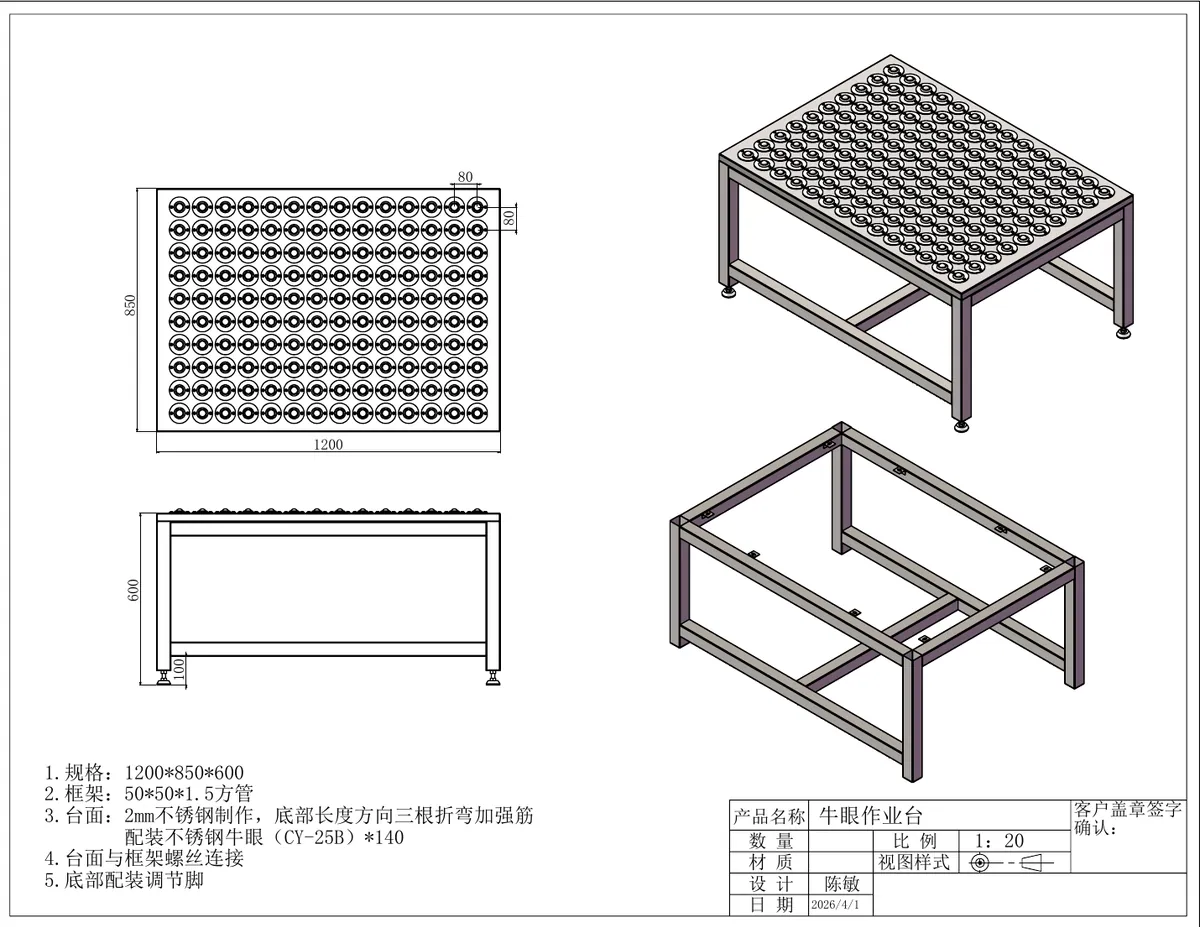
Designed around workflow, not stock catalogue dimensions.

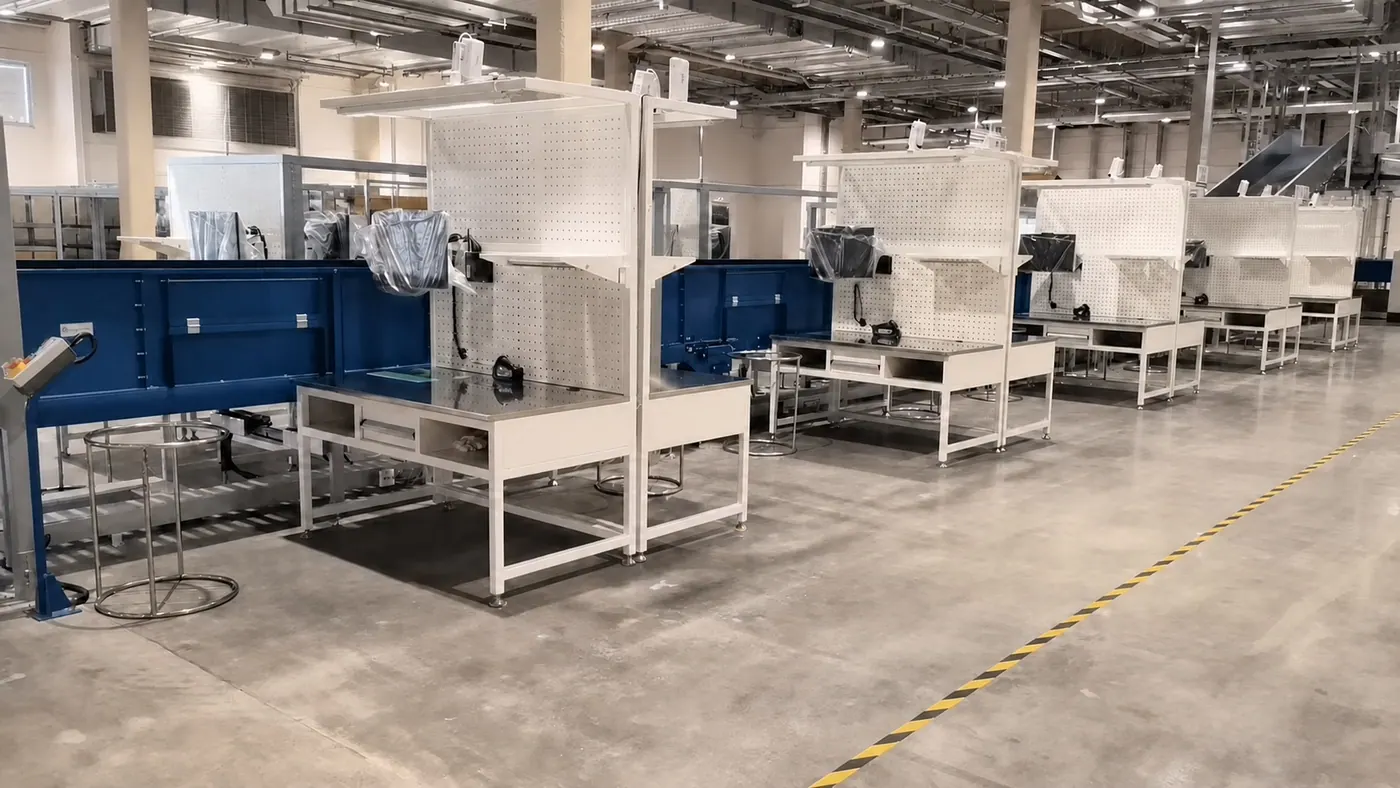
A configurable platform for receiving, returns, inspection and packing workflows.

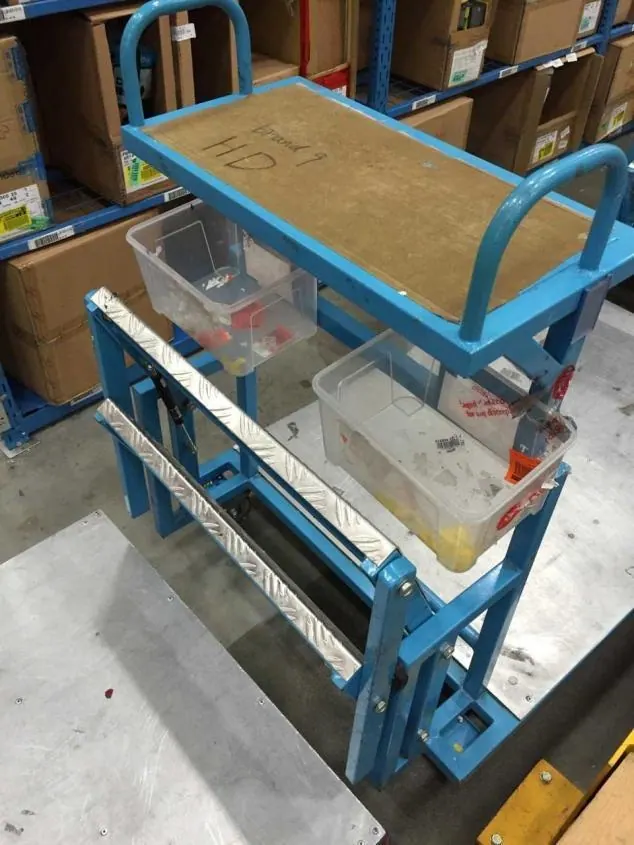
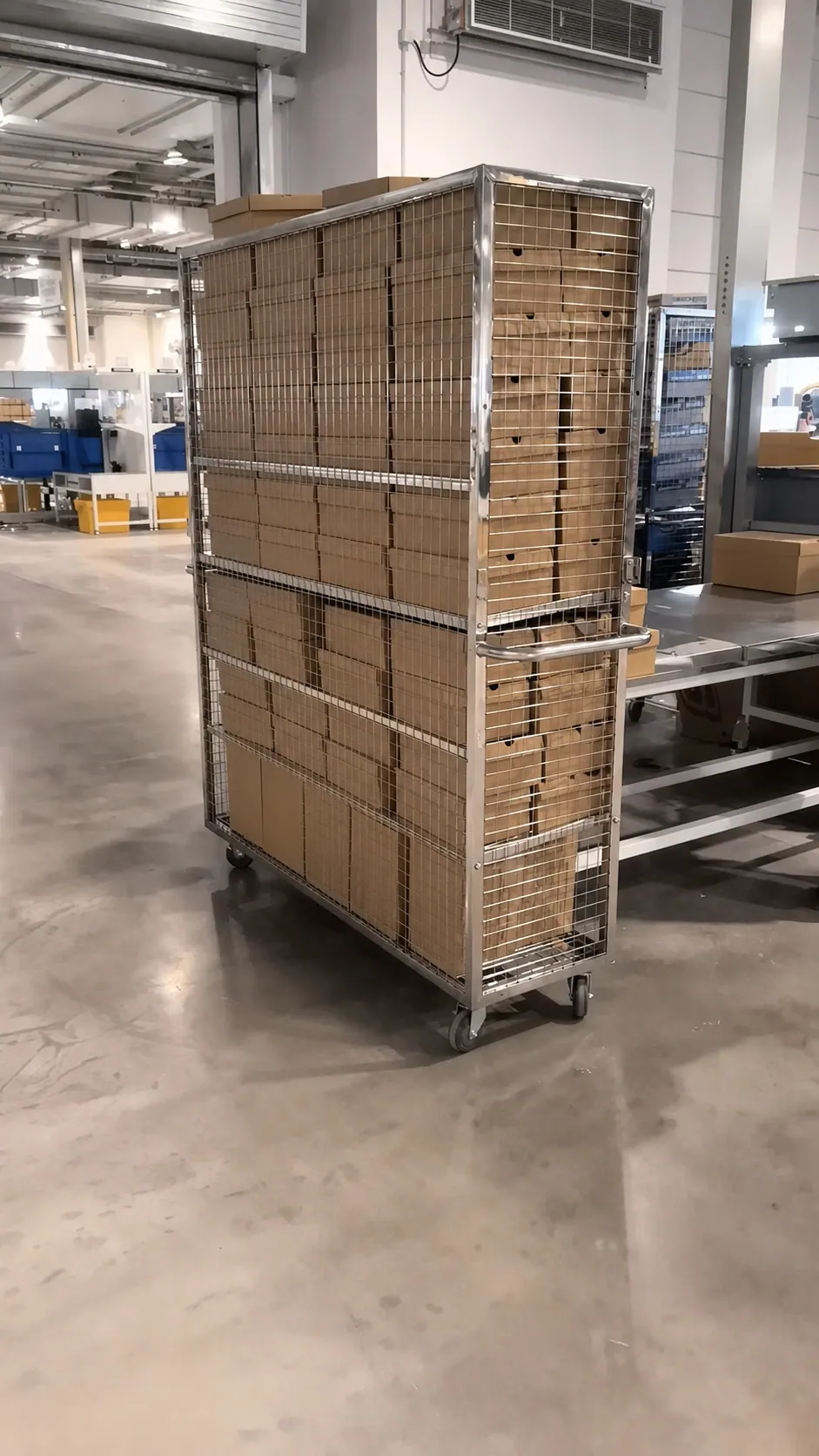
Mobile carts configured around handled items, aisle conditions and the operator route.

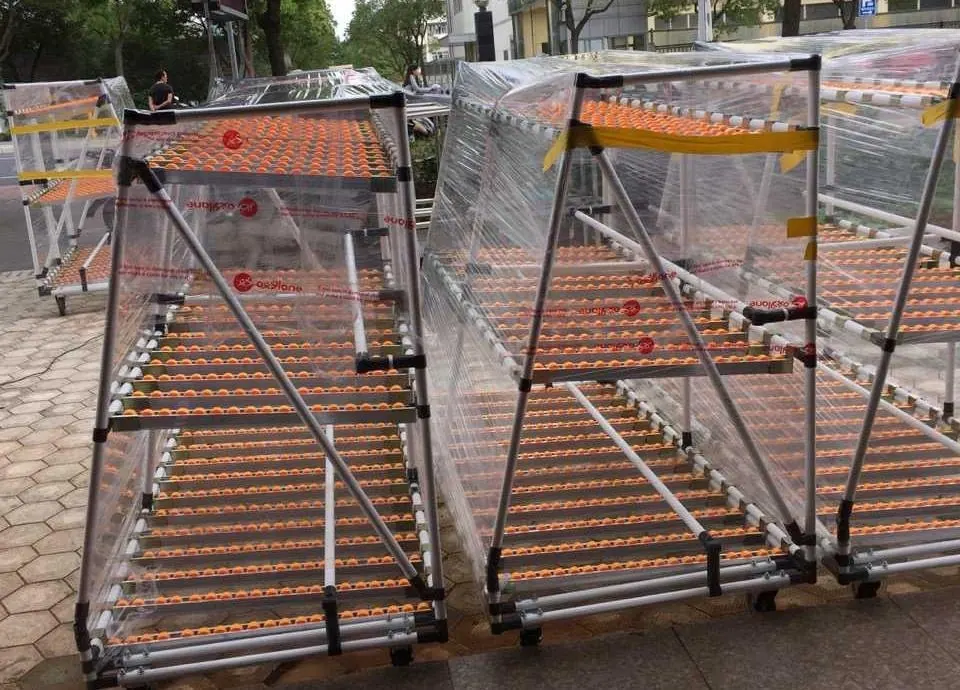
Non-powered carts for presenting bins, components or kits at the point of use.
Images are supplier-provided capability references. Installed-equipment photographs are de-identified to remove third-party brands and personal identifiers. They do not represent RISVO-owned facilities.
ADDITIONAL ROUTES

Short ball-transfer or gravity-assisted sections can be evaluated as a workstation interface. Long conveyors, powered systems and site integration remain outside the public scope.

Selected trolley or cage concepts can be reviewed where disassembly or nesting materially improves export packing. Size, load, classification and local assembly must still be qualified.
Before a configuration is approved
The reviewed brief becomes a written configuration, packing and inspection reference.
Drawing controlDimensions, materials, surface treatment, loads, moving parts, interfaces, packing and inspection points are tied to the approved drawing.
Packing and assemblyConfirm transport dimensions, disassembly or nesting, the local assembly plan and who is responsible for destination-side work before approving the configuration.
United StatesClassification and landed cost come before a firm U.S. quote. The importer and customs broker review the drawing, materials, intended use, HTS classification and possible Section 232, Section 301 or AD/CVD exposure.
This page is a capability outline, not customs or legal advice and not a tariff guarantee. Customer names, confidential installations and prior-project identities are not disclosed.